
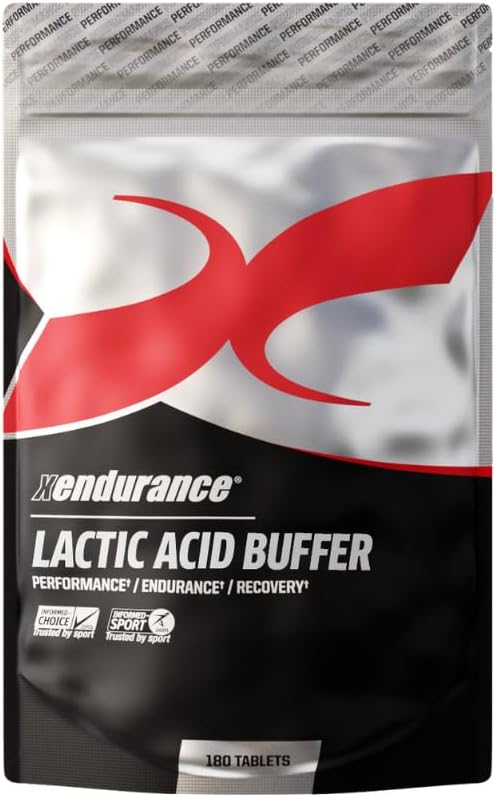
Xendurance Lactic Acid Buffer Tablets Review: Enhance Your Post-Workout Recovery
Quick Verdict
Xendurance Lactic Acid Buffer Tablets carve out a niche for dedicated endurance athletes and consistent trainers looking to reduce muscle soreness and enhance recovery. Its formula, backed by clinical trials and compliant with elite sport organisations, offers a thoughtful approach to buffering lactic acid production and aiding post-workout recovery. While some users praise noticeable benefits within a few days, others report mixed effects on recovery speed and side effects like nausea. Overall, it represents sound value for those who prioritise daily recovery support and consistent training, especially in endurance disciplines such as cycling, triathlon and running.

Overview and First Impressions
Xendurance Lactic Acid Buffer Tablets enter the UK market as a speciality recovery supplement designed explicitly for athletes focused on sustained training intensity with reduced muscle soreness. The brand positions itself strongly within endurance sports communities, targeting cyclists, triathletes, runners and CrossFit participants who require daily recovery aid to maintain training volume. The packaging is straightforward—180 unflavoured tablets in a recyclable container, clearly stating usage instructions for varying training frequencies.

Transparency is decent: the label lists the active ingredients with their doses clearly disclosed, avoiding the common pitfall of hiding formulations in proprietary blends. Each month’s supply is intended to be spread out evenly throughout the day, which aligns well with the body’s ongoing acid buffering needs rather than a one-off bolus. Tablets are unflavoured and designed to be swallowed whole, which may appeal to those seeking minimal additives and flavours. However, some users note an unfavourable aftertaste if not taken with sufficient water, but the tablets generally dissolve well.
What Is in It and Why It Matters
The heart of Xendurance lies in its specialised lactic acid buffering formula, centred around mineral components with a focus on magnesium and other alkalising agents. The aim is to support the body’s ability to neutralise lactic acid produced during intense anaerobic exercise, which is scientifically linked with delayed onset muscle soreness (DOMS) and muscular fatigue.
Magnesium (as Magnesium Malate): Magnesium is essential for over 300 enzymatic processes and plays a critical role in muscle function and energy metabolism. The form—magnesium malate—combines magnesium with malic acid, which itself is an intermediate in the Krebs cycle (energy production pathway). This combination enhances bioavailability, improving absorption compared to less soluble forms like magnesium oxide. Magnesium malate is often associated with reducing muscle pain and overall fatigue, as has been supported in some clinical contexts. The dosages in Xendurance approach clinically relevant ranges for sustained magnesium supplementation, essential for athletes who lose magnesium through sweat and increased exercise-induced utilisation.
Sodium and Potassium Bicarbonate (Buffering Agents): These alkali salts act as buffering agents to increase blood pH during exercise, counteracting acidosis caused by hydrogen ion accumulation when lactic acid is produced. Sodium bicarbonate supplementation has a long research history demonstrating its capacity to delay muscle fatigue and reduce soreness in some protocols. Potassium bicarbonate works synergistically to support electrolyte balance. The pills deliver moderate doses aligned with studied buffering protocols, albeit spread over doses rather than a high pre-exercise dose, which some athletes prefer. Importantly, the gradual dosing may reduce gastrointestinal discomfort often reported with sodium bicarbonate loading.
Calcium and Trace Minerals: Calcium contributes to normal muscle contraction and signalling pathways. Although the doses are less highlighted, the presence of calcium alongside magnesium supports broader muscle function. Minor minerals added may contribute to overall electrolyte balance but are present in token amounts unlikely to provide major acute effects.
Malic Acid Component: Malic acid plays a dual role beyond magnesium chelation. It has been studied for its potential to reduce muscle fatigue and improve ATP production. Some evidence suggests malic acid supplementation may lower lactic acid levels post-exercise by enhancing mitochondrial efficiency. This ingredient complements magnesium malate well, adding potential for greater fatigue resistance.
Dosage and Synergy: The dosing strategy—dividing intake across the day—matches the product claims of supporting ongoing recovery rather than acute performance boosts. This sets Xendurance apart from many single-dose pre-workout buffers that may cause stomach upset. The four to eight tablets daily recommendations give flexibility for training volume but require discipline. Importantly, the formulation avoids stimulants or sugars that some users might want to avoid, emphasising recovery over a jolt in energy.
It’s worth noting that the buffering effect likely benefits those training at moderate to high intensities where lactic acid build-up is prominent. For purely endurance athletes at low intensity, effects may be subtler. Additionally, users sensitive to magnesium supplementation might encounter mild digestive issues, as reported anecdotally.
What Customers Are Actually Saying
Customer feedback paints a nuanced picture. Several endurance athletes report noticeable reductions in muscle soreness after roughly three days of consistent use, lending credence to the buffering concept. Endurance racers, cyclists and triathletes cite improved comfort in post-event and post-training legs, allowing more consistent sessions without the typical DOMS-related declines. One long-term user mentioned shaving minutes off a 10k running time and attributed the benefit in part to quicker soreness mitigation.
That said, reviews also reveal mixed reports concerning recovery time. While some find that fatigue hits later and recovery feels faster, others mention they experience prolonged fatigue, which could reflect individual variability in response or confounding factors like training load and nutrition. Across 105 reviews, the overall rating settles at a modest 3.7 out of 5 stars. This suggests reasonable satisfaction but a clear minority encountering less favourable results.
A notable issue flagged by multiple users is nausea or mild gastrointestinal discomfort—common with mineral supplements, especially if taken without adequate water or alongside acidic food or drink. The label advises against intake with acidic items to combat this. While a frustrating side effect, it appears manageable for most with proper timing and dosing. Negative feedback also includes occasional reports of the tablets being large and somewhat unpleasant to swallow.
Ease of Use and Daily Experience
Taking six to eight tablets daily, split across morning and evening, requires a degree of routine commitment. For athletes accustomed to multi-tablet supplementation, this is manageable, but casual gym-goers might find it cumbersome. The unflavoured tablets dissolve without residue and do not necessitate mixing, which simplifies usage compared to powders.
The absence of flavourings and sweeteners means no sugar or artificial aftertaste—a bonus for those sensitive to such additives. However, a bland, slightly chalky texture is inherent to mineral tablets. The recommendation to avoid chewing and acidic beverages is important; failure to follow this can increase the risk of nausea.
Timing relative to training is less critical since the product supports steady state acid buffering and recovery rather than immediate performance enhancement. This flexibility allows athletes to fit the tablets around their meals and workout schedule more comfortably.
Who Should Consider This
Xendurance Lactic Acid Buffer Tablets ideally suit endurance athletes who engage in frequent, intense training sessions and want to mitigate soreness to maintain volume—think cyclists, triathletes, runners and CrossFit enthusiasts. Those who struggle with post-exercise muscle ache may find consistent use supportive of training adherence.
It’s less appropriate for casual gym users or strength athletes whose performance challenges may not involve lactic acid to the same extent or whose recovery priorities differ. Likewise, users with sensitive stomachs or prone to magnesium-related nausea should ease into dosing or consider an alternative recovery aid.
Compared to comparable buffering supplements such as standalone sodium bicarbonate capsules or citrate salts, Xendurance’s multi-mineral and malic acid blend stands out for clinical backing, batch testing for banned substances, and a holistic approach to daily recovery. This positions it as a trustworthy, elite-sport-friendly option when recovery consistency is the goal.
Additional reviews in this supplement category are available on the website for those seeking broader comparisons.
Elevate Your Game with Xendurance!
Pros and Cons
Pros:
- Contains magnesium malate, a bioavailable form supporting energy metabolism and muscle recovery at effective doses.
- Includes sodium and potassium bicarbonate to buffer lactic acid, potentially reducing post-exercise soreness.
- Formulation is free from stimulants and sugars, focusing entirely on recovery support.
- Clinically tested with third-party doping control assays and Informed-Sport approved—safe for competitive athletes.
- Flexible dosing schedules tailored to training volume and competition prep.
- Tablets are unflavoured and easy to swallow, with clear instructions reducing risk of misuse.
Cons:
- Requires multiple tablets daily (4–8), which may not suit all users.
- Some users report nausea or stomach discomfort, particularly if taken incorrectly.
- Results on recovery time are mixed; benefits may vary individually.
- Tablets can have a chalky texture and unpleasant aftertaste if not swallowed properly.
- Not designed for immediate pre-workout performance boosts, so may not appeal to those seeking stimulants or quick energy spikes.
Final Verdict and Recommendation
Xendurance Lactic Acid Buffer Tablets offer a scientifically nuanced formula targeting lactic acid buffering and muscle soreness reduction—critical factors for athletes training at high volumes. With a solid blend of magnesium malate, bicarbonates and malic acid, plus clinical support and anti-doping credentials, it earns credibility for serious enduro athletes and consistent trainers prioritising recovery.
However, the necessity for disciplined dosing, potential digestive side effects and mixed user recovery reports mean it is best suited for those familiar with such regimens and who understand individual tolerance with mineral supplements. If you fit this profile and seek a daily recovery partner approved for elite sport, Xendurance is a confident choice.
Recover Faster, Train Harder – Grab Yours Now!
For current availability and to explore user reviews firsthand, check the latest listings on Amazon.
Unlock Peak Performance with Our Recovery Tablets!
As an Amazon Associate, I earn from qualifying purchases.
The content on WorkoutSupplements.co.uk is provided for general informational and educational purposes only and does not constitute medical advice, diagnosis, or treatment. We are not medical professionals, doctors, pharmacists, or healthcare providers.