
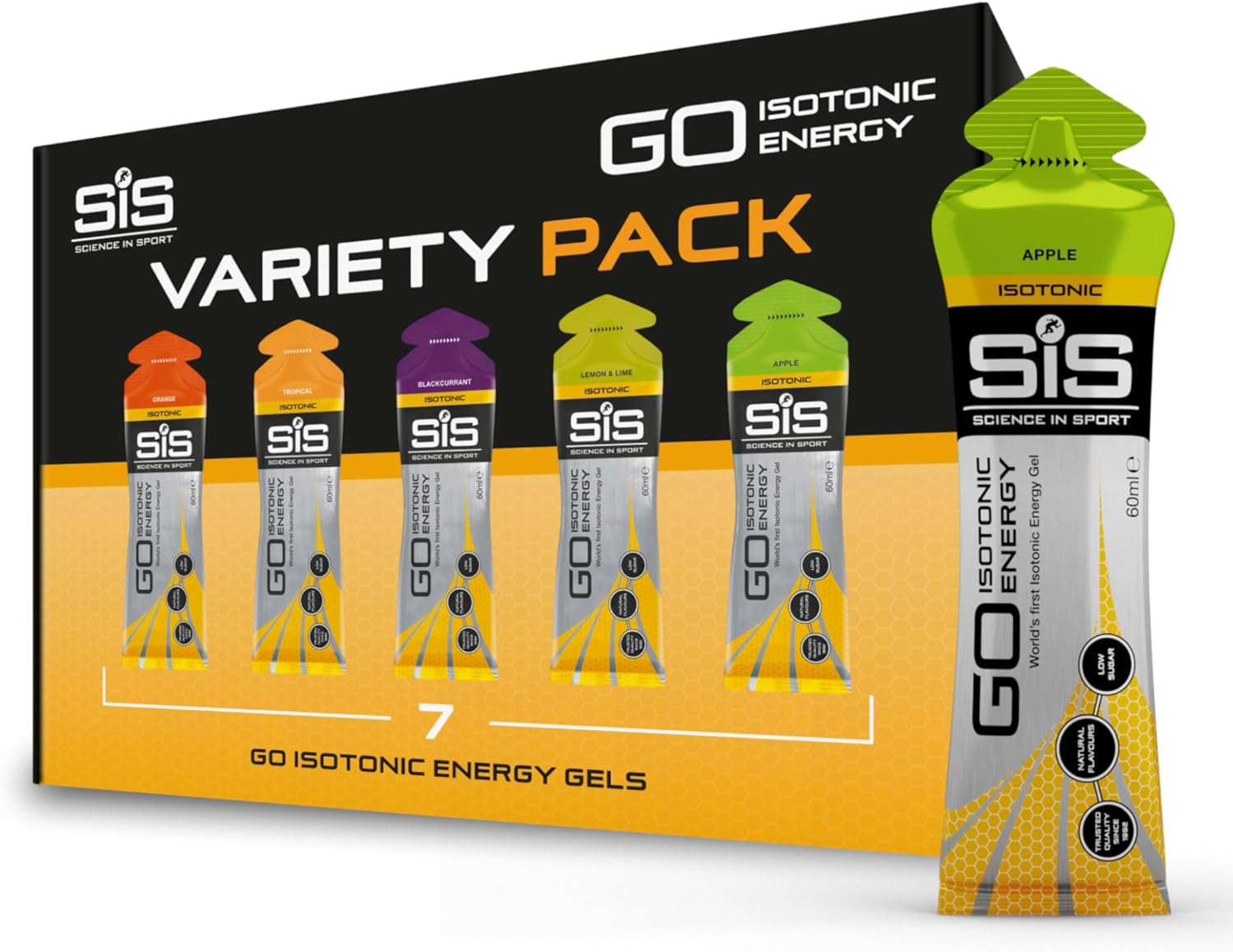
Science In Sport GO Isotonic Energy Gels Review: Revitalise Your Run!
Quick Verdict
Science In Sport GO Isotonic Energy Gels are tailored squarely at endurance athletes—runners, cyclists, and triathletes—who require efficient carbohydrate replenishment during extended efforts. They offer a convenient way to ingest carbohydrates without the need for additional water, reducing the risk of bloating that can hamper performance. The formulation’s focus on isotonic delivery and 22g of carbohydrates per 60ml serving aligns well with established sports nutrition recommendations for sustaining energy during prolonged exercise. For those who demand quick, easily digested energy boosts that won’t weigh them down or upset their stomach, these gels represent a solid option with strong real-user support. The variety pack caters well to athletes who benefit from flavour rotation to avoid taste fatigue on long sessions.

Understanding the Ingredients: What’s Really Inside?
At its core, the GO Isotonic Energy Gel’s main carbohydrate source is maltodextrin (33% of the formula), a polysaccharide widely used in sports nutrition for rapid energy release. Maltodextrin is rapidly digested into glucose and absorbed, providing a stable supply of fuel without spikes that simple sugars might cause. The presence of 22g of carbohydrates per serving sits comfortably within the range sports science typically associates with effective performance fueling, which usually recommends 30-60g of carbs per hour during endurance exercise depending on intensity.
Crucially, these gels are labelled as isotonic, meaning their osmolality closely matches that of bodily fluids. This isotonicity allows the gel to be absorbed without needing extra water, a feature supported by the blend of water, maltodextrin, electrolytes, and gelling agents like gellan gum and xanthan gum. These thickeners ensure the gel maintains a stable consistency optimised for gastrointestinal tolerance and absorption speed.

The addition of sodium chloride (salt) helps replace lost electrolytes, complementing hydration and maintaining muscle function during intense or prolonged events. This is particularly helpful when you’re sweating heavily and need to sustain nerve and muscle signalling.
Notably, the gel includes low sugar content and sweeteners such as Acesulfame K, which give flavour without excessive simple sugars. The presence of ascorbic acid (vitamin C) as an antioxidant supports general cell health, although it won’t directly impact performance. Preservatives like sodium benzoate and potassium sorbate ensure shelf stability but don’t influence exercise outcomes.
The formula is straightforward — no proprietary blends to obscure dosing — which builds trust in ingredient transparency. This simplicity paired with an isotonic profile differentiates these gels from some others that require water chasers and can upset sensitive stomachs.
Boost Your Run with Isotonic Energy Gels!
Real-World User Experiences: Energy Gains Without Gastro Worries
With over 14,800 reviews averaging 4.5 stars, customer feedback portrays a largely positive narrative, especially from endurance runners and cyclists training for events like marathons and long rides. Many users find that the gels deliver steady energy without causing the common troubles of stomach cramping or sickness often associated with sugary or hypertonic gels.
Patrons particularly praise the gels’ easy digestibility. The isotonic nature means there is no need to swallow large amounts of water with the gel, avoiding that bloated feeling that can slow performance. Users report feeling sustained energy typically within 10-15 minutes of ingestion, which aligns with maltodextrin’s known absorption kinetics.
Flavour variety is another hit, as monotony in long sessions often leads to taste fatigue. The gels receive compliments for having a palatable and natural taste, avoiding overly sweet or artificial profiles that can deter repeat use mid-race.
Negative feedback tends to stem from those sensitive to artificial sweeteners or who desire more electrolytes beyond sodium. A minority note that the gel’s lower sugar content means it might not produce a quick spike desired in shorter, very high-intensity bursts, but this is to be expected given the formulation’s endurance focus.
Practical Use: Dosage, Timing, Mixability, and Convenience
Science In Sport GO Isotonic Energy Gels are sold in 60ml servings designed for easy single-use on the move without water, ideal for road runs or cycling where pause to drink is limited. This ease of use is a major advantage over gels that must be chased with fluids, potentially disrupting rhythm.
Explore Our Assorted Flavours of GO Energy Gels!
The manufacturer recommends consuming up to 3 gels per hour, providing a maximum of 66g of carbohydrates — consistent with commonly recommended carbohydrate intake ranges during endurance events of moderate to high intensity. Timing gels every 20 minutes during such exercise is a practical strategy that aligns with this advice.
Mixability is not a factor here since the gel is pre-packaged in a squeezable sachet, but users highlight that it squirts out smoothly and cleanly with no sticky residue.
Taste is reportedly pleasant across the assorted flavours, helping compliance when fatigue sets in. The lack of aftertaste and low sugar content help reduce mouth dryness, a common complaint with some other brands.
Hydration remains important, but these gels reduce the risk of overhydration compared to traditional hypertonic gels that require water intake alongside. This makes them especially useful in cold weather or races where water stops are spaced out.
Pros and Cons: Weighing the Strengths and Limitations
Pros
- 22g of maltodextrin carbohydrates per 60ml serving, supporting steady energy supply during endurance efforts.
- Isotonic formula means no water needed for effective absorption, reducing bloating risk.
- Includes sodium to aid electrolyte balance during sweating.
- Clear ingredient transparency with no proprietary blends, providing assurance of what’s consumed.
- Gluten-free and vegan-friendly, appealing to specific dietary needs.
- Highly rated by thousands of users for taste and digestive tolerance.
- Variety pack helps prevent taste fatigue over multiple sessions.
Cons
- Contains artificial sweeteners (Acesulfame K) which may not suit all users.
- Lower in electrolytes beyond sodium, such as potassium or magnesium, limiting comprehensive hydration support.
- May not deliver rapid energy spikes suited for short high-intensity efforts due to low simple sugar content.
- Price point may deter casual exercisers not focused on endurance disciplines.
Final Assessment: Is Science In Sport GO Isotonic Energy Gel Your Next Fuel?
For 2026, Science In Sport GO Isotonic Energy Gels stand out as a highly effective carbohydrate fuel for endurance athletes who prioritise convenience, digestive comfort, and functionality during long sessions or races. The isotonic delivery and solid maltodextrin dose support sustained energy release without the bloating or GI distress commonly reported with traditional gels, aligning well with sports nutrition best practices.
These gels suit runners and cyclists focused on sessions exceeding an hour where steady carbohydrate input and electrolyte replacement matter most. However, if you favour gels with a broader electrolyte profile or prefer natural sweeteners, some alternatives may better fit your needs.
Overall, SiS GO gels earn a recommendation for athletes seeking reliable fuelling that’s easy to consume anywhere without additional fluids. To explore current availability and flavour options, check the latest listings on Amazon.
As an Amazon Associate, I earn from qualifying purchases.
Shop Now for Low Sugar, High Energy Fuel!
The content on WorkoutSupplements.co.uk is provided for general informational and educational purposes only and does not constitute medical advice, diagnosis, or treatment. We are not medical professionals, doctors, pharmacists, or healthcare providers.